Comprehensive Chimney Care Illinois
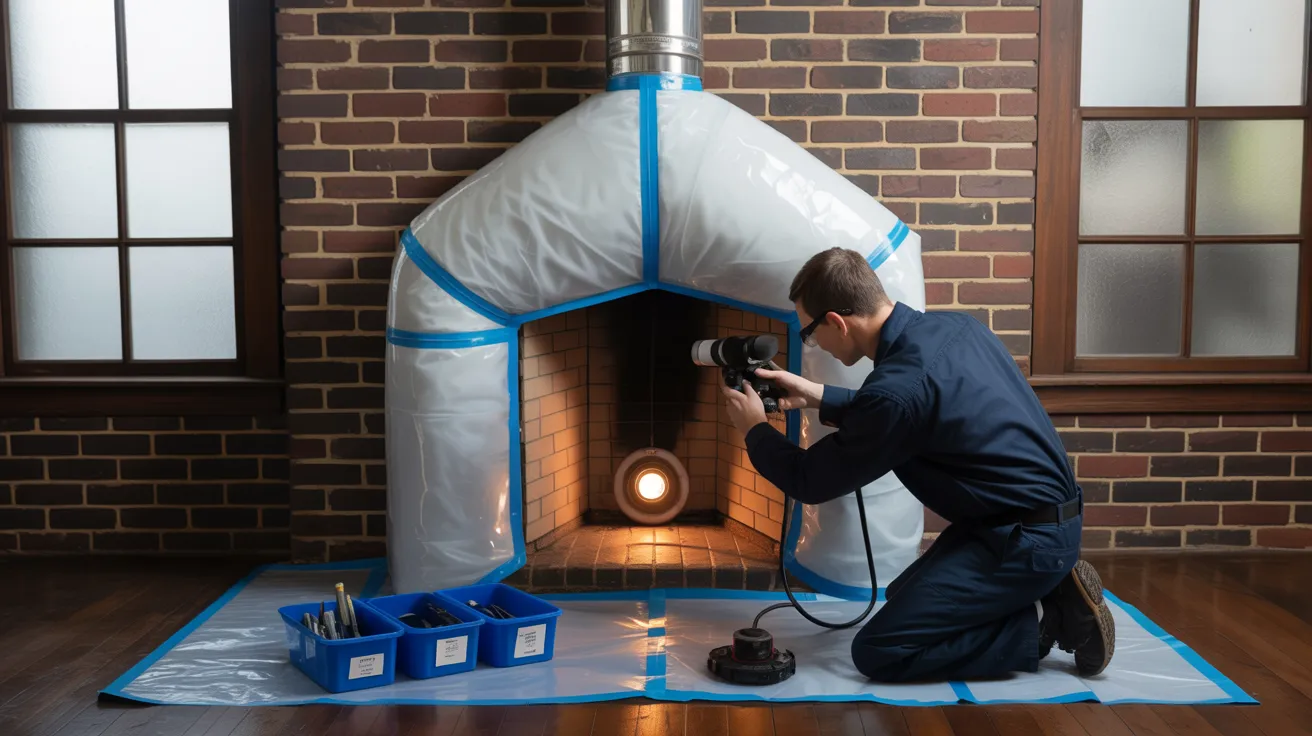
Get in touch with Illinois chimney sweep and fireplace maintenance experts who comply with NFPA 211, IRC R1001-R1005, and ANSI standards. We provide annual CSIA-certified evaluations (Levels I-III), HEPA-contained maintenance, creosote extraction, video inspections, draft/CO analysis, and photo-documented records. Our technicians fix crowns, restore masonry, seal per ASTM, and install UL 1777 stainless liners, listed caps, and draft interlocks. We accurately size and position vents, check clearances, and convert to EPA/ANSI-listed inserts. Get detailed estimates, permits, and warranties-discover how to pick the most secure, most efficient service.
Key Takeaways
- Select CSIA-certified chimney pros who provide NFPA 211 Level I-III inspections, once per year and following incidents, complete with visual documentation and organized repair recommendations.
- The harsh Illinois climate speeds up masonry deterioration; find professionals who specialize in moisture protection, mortar restoration, crown maintenance, cap fitting, and flashing installation that meet ASTM requirements.
- Ensure chimney sweeping encompasses rotary and brush cleaning until reaching bare liner, along with HEPA filtration, airflow and carbon monoxide readings, and verified cleaning documentation.
- For chimney upgrades, install UL 1777-listed flue liners, spark-arrestor caps, and building code approved chimney inserts (EPA-certified wood, ANSI/CSA-certified gas) compatible with your chimney.
- Discuss safety integrations including carbon monoxide/heat sensors, draft control mechanisms, animal exclusion services, and ventilation testing for tight home construction.
The Importance of Regular Chimney Service in Illinois
Even if you only use your fireplace seasonally, Illinois' weather patterns and moisture conditions speed up chimney wear, making periodic inspections crucial for safety and code compliance. Dampness expands masonry, deteriorates brickwork, and damages flue linings, reducing proper airflow and carbon monoxide hazards. You should schedule regular inspections to remove creosote buildup following NFPA 211 standards and confirm proper spacing to combustibles align with manufacturer listings and IRC standards. Professionals examine chimney components to stop water penetration and clear animal nests so blockages don't form or create fire hazards. They evaluate flue integrity, smoke chamber condition, and damper performance, and record problems affecting safety or regulatory requirements. Periodic care and minor repairs reduce fire risks, safeguard air quality, and ensure optimal operation through consistent venting and effective ventilation.
Understanding Certified Chimney Inspections
You'll need to schedule a CSIA-certified inspection following NFPA 211, depending on access requirements, structural updates, or historical issues. The inspector will examine and evaluate the entire system including clearances, flue integrity, liners, smoke chamber, firebox, damper, caps, and appliances, frequently using video scanning to identify concealed issues. You will receive a detailed written report detailing code compliance status, identified deficiencies, photographic evidence and prioritized recommendations for safety repairs or additional evaluation.
Inspection Levels Overview
Before arranging maintenance, you should know about how certified chimney inspections are organized. NFPA 211 outlines three inspection categories. Level 1 is a standard chimney inspection for unmodified setups and continued service; it consists of visual examination of reachable components using standard tools like lights and mirrors. Level 2 becomes necessary upon ownership change, system modifications, or after a malfunction or major weather incidents; it adds video scanning of flue interiors and accessible areas. Level 3 is comprehensive, enabling displacement of structural elements when concealed dangers may exist.
Follow NFPA-recommended inspection frequency: annually at minimum, and after any incident. Certified technicians document observations, code variances, and potential hazards. We'll provide a comprehensive report detailing adherence, problems, and required corrective actions.
What Inspectors Review
Following NFPA 211, qualified professionals conduct thorough evaluations to ensure that all chimney and venting components are operating as intended. They verify safe distances from combustible elements, component connections, and proper ventilation requirements. On the exterior, they inspect the cap integrity, crown structure, brickwork, and flashing integrity for weatherproofing. They confirm the flue system is complete, properly sized according to NFPA 54/211, and clear of defects or offsets.
Inside, they evaluate the firebox condition, lintel integrity, and damper functionality, including the smoke chamber for proper parging, transitional surfaces, and any obstructions. They measure the draft and examine creosote buildup types (glazed versus brushable). Throughout attics and basements, they inspect supporting elements, vent thimbles, and pipe pitch. They check vent terminations, hearth extension measurements, carbon monoxide channels, and clearance requirements against manufacturer specifications and building codes.
Inspection Summary Report
Following the inspection, the technician provides a comprehensive written report that documents measurements, photos, and observations, aligned with applicable standards (NFPA 211/54) and manufacturer listings. You'll get listed defects by area (firebox, flue, crown, cap), severity, and code citations. The report includes details about clearances to combustibles, liner type/size, carbon monoxide and draft levels, moisture content (for masonry), and available attic/chase observations. It indicates Level II/III requirements if hidden areas need further evaluation as per NFPA 211.
You'll receive essential maintenance recommendations, pricing estimates, and service timelines to ensure system performance and satisfy insurance standards. Subsequent suggestions cover sweep intervals, relining options, refractory repairs, and ventilation system modifications per NFPA 54. You can ask for scheduling details and explanations. Documented compliance and clear communication drive service satisfaction and safer operation.
Thorough Chimney Cleaning for Creosote and Soot
Even when your fireplace looks to draft well, complete cleaning is crucial to clear away creosote and soot that gather on flue tiles, liners, smoke shelves, and dampers. You'll decrease chimney fire potential and reestablish proper airflow when you plan creosote elimination and soot cleaning based on NFPA 211 guidelines. We use brush and rotary cleaning techniques to attain bare masonry or listed liner, then perform HEPA-vacuum extraction to contain particulate. In cases where glazed Stage 3 deposits exist, we apply approved chemical solutions, never aggressive abrasive grinding that might damage tiles or stainless liners.
We inspect and verify clearance to combustibles, examine connectors, and maintain caps and smoke chambers according to Illinois code and manufacturer specifications. Once cleaning is complete, we verify draft using manometer readings and document measurements. To prevent issues, refrain from burning unseasoned wood or trash; keep moisture content under 20% to minimize creosote formation.
Brick Repair, Repointing, and Waterproofing Services
Chimneys only function as specified when the chimney construction stays sound, so we resolve masonry defects that affect proper operation. We evaluate brick, block, and crown conditions per NFPA 211 and local Illinois code, then determine mortar replacement that matches original mixture and performance. We repoint damaged joints to maintain load distribution and prevent flue gas escape. Damaged masonry and damaged crown surfaces get rebuilt with reinforced mixes and correct drip edges.
To stop water infiltration-the main cause of masonry deterioration-we put in breathable moisture protection and flashings per ASTM requirements. We waterproof masonry with vapor-permeable silane/siloxane applications, not paint. We enhance chimney-to-roof interfaces with step and counter-flashing, then inspect slopes, water outlets, and expansion joints for durable, code-compliant outcomes.
Chimney Safety: Liners, Caps, and Draft Solutions
Although masonry supports the structure upright, liners, caps, and draft controls ensure it operates efficiently and safely. You must have a uninterrupted, code-compliant flue as specified by NFPA 211 and the Illinois Mechanical Code. Select liner materials depending on appliance type and fuel: stainless steel (316/304) for the majority of solid-fuel and oil, 316Ti for condensing byproducts and coal, aluminum exclusively for select gas Category I, and certified ceramic or cast-in-place for high-heat resilience. Size the liner to appliance requirements and chimney dimensions utilizing manufacturer specifications to preserve appropriate temperature and velocity.
Install a approved cap with protective screening for sparks and vermin; combine it with a crown that diverts water. Confirm performance with draft testing using a manometer at the connector and smoke escape verification. Add a sealing damper at the top or barometric control only where standards allow.
Fireplace Solutions: Gas, Wood, and Insert Options
When deciding between gas and wood options, you should evaluate heating efficiency, fuel options, and code specifications (such as NFPA 211 and local mechanical and gas codes). Upon deciding on a premium-grade insert, make sure to confirm unit dimensions, EPA certification and liner systems that meet manufacturer guidelines. For safety and venting requirements, ensure proper installation of CO detectors, verify adequate clearances, ensure correct hearth protection, use approved venting systems (Type B/AL for gas, stainless liners for wood), and complete all permitting and inspection requirements before operating the system.
Comparing Gas and Wood Options
For many homes, the choice between gas and wood fireplaces is often determined by building codes, ventilation requirements, and long-term expenses in addition to atmosphere. For Illinois properties, compliance with IRC/IFGC for gas appliances and NFPA 211 for solid-fuel systems. Gas fireplaces need certified equipment, appropriate gas line sizing, shutoff valves, and proper airflow; direct-vent configurations streamline installation and reduce backdraft risk. Wood burning fireplaces require a properly rated chimney, proper spacing from flammable surfaces, and regular sweeping.
You'll need to weigh installation costs against operating expenses and maintenance. Gas typically has higher upfront appliance costs but lower routine maintenance; wood installations might require chimney updates and regular checks. Think about environmental impact: gas systems emit fewer particles, whereas wood units meeting EPA standards reduce particles but depend on seasoned wood. Always obtain permits and inspections.
Energy-Efficient Inserts
Boost heat output and safety with energy-efficient fireplace inserts that transform open fireplaces into sealed, code-compliant fixtures. You'll achieve better energy efficiency through managed fuel consumption, insulated doors, and protected fireboxes that provide higher AFUE/HHV performance than typical open hearths. Pick EPA-certified wood inserts or ANSI/CSA-listed gas inserts to meet Illinois code and product specifications.
First focus on installation considerations: check firebox dimensions, hearth protection requirements (R-value), and safe distances from combustibles in accordance with UL 1482 (wood) or ANSI Z21.88 (gas). Ensure chimney specifications and status match the insert's certified setup, and use approved parts furnished by the manufacturer. Electrical specifications for blowers must utilize a dedicated, GFCI-protected circuit as specified. Position a CO alarm according to code requirements. Document product numbers, ratings plates, and installation details for future inspections and warranty claims.
Safety and Ventilation Improvements
Although visual appeal matters, the main priorities for fireplace modifications are proper venting and safety standards. You must begin by confirming chimney specifications, liner type, and termination height as specified in IRC M1801 and NFPA 211. Stainless, UL 1777-listed liners properly regulate airflow for inserts, gas logs, and wood stoves, reducing spillage and condensation. Utilize airflow modeling to confirm adequate air supply and pressure balance, especially in tight Illinois buildings.
Enhance terminations with backdraft-preventing caps and spark arrestors. Add CO and heat monitoring systems linked with automatic gas shutoff (ANSI Z21.88/CSA 2.33) and draft interlocks that shut down appliances if pressure drops or flues become obstructed. For wood installations, install listed chimney connectors, clearance shields, and hearth extensions according to manufacturer guidelines. Confirm make-up air provisions, seal thimbles, and log a final ventilation, carbon monoxide, and pressure evaluation.
Upfront Quotes, Safety Regulations, and Planning
Begin with detailed line-by-line estimates that spell out inspection level (NFPA 211 Levels 1-3), extent (chimney sweep, video scan, liner and crown repairs), materials, labor hours, and permitting costs, so you can evaluate options fairly before proceeding with work. Require clear pricing tied to ASTM-listed materials and manufacturer requirements. Have your professional to reference NFPA 211, IRC R1001-R1005, and local Illinois amendments for vent specifications, clearance to combustibles, hearth extension, and lining standards. Ensure they document defects with photographic evidence per Level 2 protocols after a chimney incident, system modification, or property transfer.
Check and validate proof of insurance and WBEA/CSIA credentials, as well as written warranties for chimney liners and caps. Utilize flexible scheduling that focuses on safety-important matters-managing systems with significant soot buildup immediately and addressing carbon monoxide risks right away-and confirm appointment times, required prep work, and comprehensive service reports.
Most Common Questions
Can I Get Emergency Chimney Service During Major Illinois Winter Storms?
Yes, you are able to request emergency chimney services during severe Illinois winter storms. You'll obtain storm response with rapid deployment for emergency ventilation issues and storm-related damage. Certified experts follow NFPA 211 and IRC provisions, conduct draft and CO checks, clear obstructions, and reinforce masonry. They focus on venting safety, verify chimney integrity, and record code compliance. You should isolate appliances, avoid use, and call immediately if you notice smoke odors, experience backdrafts, or detect carbon monoxide.
Do Your Technicians Have Insurance and Background Checks for Safety?
We ensure licensed, insured professionals and vetted personnel, because we know professional standards require more than just promises in meeting NFPA standards. We meticulously verify insurance credentials, keep qualifications up-to-date, and maintain screening records before deployment. Our technicians strictly follow NFPA 211, IRC M1801, and OSHA 1910/1926 standards, implementing PPE, lockout/tagout, and confined-space protocols when applicable. You'll receive detailed inspection reports detailing regulatory adherence, clearances to combustibles, venting system integrity, and camera inspection results - ensuring safety isn't just a motto, it's properly verified.
What Parts and Brands Do You Keep in Stock for Same-Day Fixes?
We maintain an inventory of common manufacturer and UL-certified parts for immediate service: flue liners and connectors in stainless steel, spark arrestors and ceramic caps, refractory firebrick panels, thermal crown sealants, damper units (top-sealing and throat), gas control valves, thermoelectric generators, pilot assemblies, and chase covers meeting NFPA-211 standards. We provide sealing rope, heat-resistant cement, and protective cap more info screens sized to IRC/IMC clearances. All parts meet ASTM/UL specs, installed according to manufacturer guidelines to maintain code compliance and draft safety.
Do You Handle Home Insurance on Insurance Claims?
Asking about whether we can handle insurance coordination and claims assistance? Absolutely. You'll receive comprehensive inspections, NFPA 211-compliant reports, and photo documentation that distinctly differentiates sudden loss from maintenance issues. We communicate with your insurance adjuster, provide Xactimate estimates, and ensure compliance with regional building and safety standards. Prioritizing safety, we focus on urgent safety solutions, then proceed with code-compliant repairs. You'll review and approve documentation, while we monitor timelines, additional claims, and settlement completion.
Are Maintenance Reminders and Seasonal Service Plans Available?
Yes. You receive automated seasonal reminders and customizable maintenance plans in accordance with NFPA 211 and local mechanical codes. We coordinate maintenance sweeps, safety inspections, and ventilation tests before primary heating seasons. You'll be provided with scope-of-work summaries, camera findings, and priority scheduling. We assess system integrity, safety distances, cap conditions, and joint stability to prevent creosote buildup and spalling. Services feature safety system verification, air flow testing, and compliance documents for meeting insurance requirements.
Wrapping Up
Upon scheduling certified chimney service in Illinois, you're going beyond basic upkeep-you're releasing a premium safety upgrade for your home. You'll get NFPA 211-compliant inspections, cleaning that eliminates creosote Stage 1-2, and repairs that lock down spalling, leaks, and draft issues. With UL‑listed liners, code‑rated caps, and properly sized vents per IRC/IMC, your fireplace will operate with maximum efficiency. Don't compromise on carbon monoxide or chimney fires-make an appointment and overprotect your home.